


- Street “Pjeter Bogdani”
- N. 13, H. 10, Ap. 15 Tirana, Albania
- Send Mail
- info@shukalb.al
- Make Call
- Tel: (+355/4) 2245 101

Price and Affordability of Wastewater Treatment Service
[:sq]Autori: Z. Ndriçim Shani, Kryetar, Enti Rregullator i Sektorit të Furnizimit me Ujë
dhe Largimit e Përpunimit të Ujërave të Ndotura
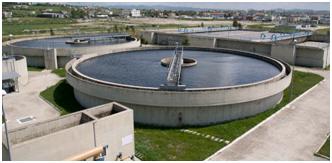
Foto nga SHUKALB
Në përgjithësi sektori i Largimit dhe Trajtimit të Ujërave të Ndotura konsiderohet si dytësor për nga rëndësia. Sistemet e KUN i gjen kryesisht në zonat urbane dhe vetëm 34/58 shoqëri janë përgjegjëse edhe për shërbimet e UN. Rrjetet e grumbullimit te UN janë të një teknologjie të vjetër me tuba betoni që lejon infiltrime, pa pjerrësinë e duhur dhe bëhen shpesh subjekt bllokimi. Mjaft nga sistemet e KUN janë të kompromentuara duke mos u ndarë nga ujërat e shiut, gjë që sjell praninë e erërave të rënda, dhe në raste të shirave të dendur (gjë qe po ndodh shpesh) ujërat e përziera të ndotura urbane vërshojnë rrugëve të qyteteve. Zhvendosja e popullsisë rurale në zonën urbane dhe bum-i i ndërtimeve në qytet shpesh nuk i përgjigjet infrastrukturës aktuale, një pjesë e mirë të së cilave rezultojnë të nëndimensionuara.
Për trajtimin e UN kemi ITUN me kapacitet mbi 2.000 ekuivalent banorë në Korçë, Pogradec, Durrës, Lezhë-Shëngjin, Sarandë, Kavajë, Velipojë dhe Orikum. Aktualisht është duke u rikonstruktuar ITUN ne Vlore dhe po ndërtohet një i ri për Tiranën. Operimi i ITUN ka probleme me nivelin e kualifikimit të stafit të tyre, mungesën e një strategjie dhe programi të manaxhimit të aseteve, të inventarit disponibël të pjesëve të domosdoshme rezervë etj.
Niveli i shërbimeve të KUN konstatohet edhe nga pesha prej 15% që zënë kostot e O&M të UN kundrejt atyre prej 85% të ujësjellësit ndaj totalit të shpenzimeve të operimit të shoqërive UK. Më specifikisht për shoqëritë që kanë ITUN këto raporte vlerësohen 24% sektori UN kundrejt 76% të sektorit të ujësjellësit, ndërsa shoqëritë që nuk kanë ITUN këtë raport e kanë përkatësisht rreth 5% me 95%.
Në Europë përgjithësisht këto raporte janë të kundërta krahasuar me vendin tonë, ku kostot e shërbimeve të KUN (grumbullim dhe trajtim) përbëjnë 60%-70% të kostove totale, ndërsa ato të shërbimeve të ujësjellësit zënë rreth 30%-40% të tyre.
Shifrat e mësipërme janë tregues i cilësisë së dobët të shërbimeve të sektorit të UN, si dhe i nevojës së madhe për investime që ka ky sektor për rritjen e cilësisë së shërbimeve ndaj konsumatorit dhe respektimin e kërkesave për ruajtjen e ambientit në përmbushje te Direktivës Kuadër të BE-së për Ujin 2000/60/EC.
Në fakt nevojat për investime në tërësi për sektorin e ujësjellës kanalizimeve janë të përcaktuara në shkalle vendi në Master Planin Kombëtar të Sektorit UK hartuar në vitin 2011. Nevojat për investime kapitale për të gjithë sektorin e ujit për një periudhë 25 vjeçare vlerësohen rreth 6 miliard Euro, dhe në veçanti për Ujërat e Ndotura, për mbledhjen, largimin dhe trajtimin në impiante pastrimi nevojiten rreth 4 miliard Euro.
Strategjia Kombëtare e Financimit të Sektorit të Ujit me anë të një modeli 3T (Tarifa, Transferta Donatoresh, Taksa-Buxheti nga qeveria qendrore) parashikon realizimin e këtyre investimeve me një mesatare prej rreth 170 milion Euro në vit për një periudhë kohe 22 vjeçare deri në fund të vitit 2040. Skema e financimit parashikon që nga rritja e tarifave të shërbimeve të përballohen mesatarisht çdo vit rreth 40-50% e vlerës totale të kërkesës për investime kapitale. Theksohet fakti që rritja e pritshme e tarifave për të realizuar objektivat dhe investimet e mësipërme do të konsistojë në pjesën më të madhe për mbulimin e kostove të shërbimeve të KUN (grumbullim, largim dhe trajtim te UN).
Kuptohet ky përfundim është arritur nga një analizë e hollësishme e përballueshmërisë reale të popullsisë për të paguar faturat që do të rezultojnë nga niveli i rritur i tarifave për të përballuar kontributin e konsumatorëve në financimin e investimeve fizike.
Në fakt problemi i përballueshmerisë së rritjes së tarifave paraqitet disi delikat për t’u trajtuar sepse rritja e tyre konsiderohet në mjaft raste politikisht e pamundshme ose e papranueshme.
Bërësit e politikave akoma nuk e pranojnë se shërbimet e furnizimit me ujë të pijshëm dhe KUN janë shërbime të karakterit komercial si energjia elektrike dhe telefonia, por përmendin argumentin e problemit social në përballueshmërinë e pagesës së tarifave nga popullsia.
Është mjaft e rëndësishme përgatitja për vendimmarrësit e të dhënave mbi të ardhurat, si dhe shpenzimet e familjeve për ujin dhe përballueshmërinë në mënyrë që ato të jenë në gjendje të dallojnë që rezistenca ndaj rritjes së tarifës qëndron për shkak të përballueshmërisë së pagesës (e matshme), apo për shkaqe politike dhe/ose sociale (jo e matshme). Ky informacion është i nevojshëm edhe për ndërtimin e mekanizmave të mbrojtjes sociale.
Është gjithashtu mjaft e rëndësishme sqarimi i lidhjes ndërmjet tarifës dhe nivelit të shërbimit. Konsumatorët në përgjithësi pranojnë rritjen e tarifave kur perceptojnë se shërbimi është përmirësuar. Kombinimi i te dyjave është strategjia më e mirë, por qe jo gjithmonë është e mundshme. Për këtë arsye duhet këputur rrethi vicioz që përgjithësisht realizohet duke kërkuar paraprakisht rritje të tarifave të shërbimeve për të përballuar një pjesë të fondeve për investimet kapitale në sektor që do të sjellë më tej rritjen graduale të cilësisë së shërbimeve. Rritja e tarifave nga investimet duhet shoqëruar me një proces komunikimi të vazhdueshëm me publikun për ta informuar dhe ndërgjegjësuar atë për rëndësinë dhe domosdoshmërinë e kontributit të tyre për të mbuluar kostot e kërkuara për rritjen e cilësisë së shërbimeve të UK.
Për këtë duhet të ndërtohen mënyrat dhe mekanizmat e qarta të komunikimit me to. Duhet theksuar fakti se nga shoqëritë e UK dhe aktorët e tjerë të sektorit bëhet shumë pak në drejtim të informimit publik për shërbimet e UN. Duket sikur interesi mbaron deri në shërbimet e furnizimit me ujë, dhe nuk flitet fare për problemet, rëndësinë dhe kostot përkatëse për të siguruar një shërbim korrekt te UN, dmth, grumbullimi, largimi dhe trajtimi i tyre për të mbrojtur ambientin dhe shëndetin e njerëzve. Informimi i Publikut përbën një nga sfidat që duhet të mbahet parasysh nga shoqëritë UK dhe aktorët e tjerë përgjegjës, jo vetëm për të qenë më aktiv, por edhe për të parashikuar buxhetet e nevojshme për to.
Për të vlerësuar nga ana sasiore problemin e përballueshmeria së pagesës së tarifave, nëse i referohemi Bankës Botërore dhe KE ato kanë përdorur si kriter për të vlerësuar përballueshmërinë konsumin mujor për person prej 3m3 (ose 100 litra/dite/person), dhe një nivel përballueshmërie 4% të të ardhurave mesatare të një familjeje. Në këtë vlerësim përjashtohet shtresa në nevojë e popullsisë në varfëri ekstreme që përbën rreth 2.5% të totalit të popullsisë.
Enti Rregullator i Ujit (ERRU) përdor si kriter për përballueshmerinë e pagesës së faturës së shërbimeve UK, vlerën prej 5% të të ardhurave mesatare të një familjeje.
Në rang vendi të ardhurat mujore mesatare të përgjithshme të një familje (pa përfshirë atë të 10% të shtresës së pasur) vlerësohen rreth 70,000 Lek/muaj, që i korrespondon një mesatare të përballueshmërisë së tarifave mesatare të shërbimeve të UK prej rreth 300 Lek/m3.
Këto vlera tregojnë se ka shumë hapësirë ne drejtim te aftësisë paguese për të përballuar rritjen e tarifave. Ne këtë vlerësim janë mbështetur dhe konkluzionet e strategjisë se financimit të sektorit (3T) për të përballuar një pjesë të konsiderueshme të nevojave për investime (rreth 40-50% e tyre) me anë të rritjes së tarifave.
Në fakt INSTAT ne vitin 2014 ka realizuar llogaritjen e të ardhurave për shtresa të popullsisë në mënyrë më të detajuar duke i ndarë ato në 10%-sha (decila). Nëse për përballueshmërinë do të konsiderojmë pjesën prej 10% te shtresës së varfër të popullsisë (jo atë në nevojë), niveli i përballueshmerisë për këtë shtrese i përgjigjet një tarife mesatare të shërbimeve prej rreth 130 Lek/m3, tarifa të cilat aktualisht janë ne kufi ose tejkaluar pak vetëm për shoqëritë UK të qyteteve të Korçës dhe të Durrësit. Ne fakt Korça e ka të tejkaluar problemin e mbulimit të nevojave për investime, ndërkohë që Durrësi me tarifat që aplikon është akoma në fazën e mbulimit vetëm të shpenzimeve të O&M.
Trajtimi i problemit të përballueshmërisë bazuar në të ardhurat mujore të çdo familje duke i konsideruar në mënyrë me te detajuar shtresat e ndryshme te popullsisë sipas 10%-shave, dhe sipas çdo qarku, është mënyra më objektive e vlerësimit të tij, mënyrë e cila jep një tablo më të qartë edhe te reagimit të pritshëm nga publiku kur propozohet rritja e tarifave, si dhe të ndërtimit të politikave sociale nga qeveria qendrore dhe ajo lokale. Nga disponibiliteti i këtyre të dhënave do të varet në të ardhmen edhe kriteri i përballueshmerisë që ERRU do të përdorë në metodologjinë e saj për aprovimin e tarifave të shërbimeve të ujësjellës kanalizimeve të ujërave të ndotura.[:en]Author: Mr. Ndricim Shani, Chair, Albanian Regulatory Authority of the Water Supply and Waste Water Disposal and Treatment Sector
Photo Credit: SHUKALB
Generally the Wastewater Collection and Treatment Sector is considered of secondary importance. Sewerage systems are mainly found in urban areas and only 34 out of 58 water companies are responsible for wastewater services. Wastewater collection networks are old, made of concrete pipelines which are prone of infiltration, lack proper sloping and often become subject to blockages. Majority of the sewerage collection systems are combined and collect wastewater together with rainwater. As a result they are subject of heavy odours and, in case of heavy rains (often occurring) the mixed urban and rain wastewater floods the streets of our towns and cities. The relocation of the rural population to the urban area and the construction boom in cities often does not respond to the current sewerage infrastructure, a good part of which results to be under-dimensioned.
For wastewater treatment, we have WWTPs with a capacity of over 2,000 resident equivalents in Korça, Pogradec, Durrës, Lezhë-Shëngjin, Sarandë, Kavajë, Velipojë and Orikum. The WWTP of Vlora is currently under reconstruction, while a new plant will be built in Tirana as well. There are problems with the operation of these WWTP, because of the staff level of qualification, lack of a strategy and an asset management program, of an inventory of the available spare parts, etc.
The level and importance of the sewer services can also be determined by the weight it covers in the O&M cost of the WSS Company. Wastewater collection services cover only 15% of the O&M costs while water supply services with cover 85% of the total operating costs. More specifically, in WSS companies that have wastewater treatment plants wastewater sector cover 24% for the O&M cost versus 76% that is cover for the water supply sector, while in companies that do not have wastewater treatment plans such ratio is about 5% with 95%.
In Europe, these ratios are generally opposite compared to our country, because the wastewater services (collection and treatment) account for 60% -70% of total costs, while the water supply services account for about 30% – 40% of such costs.
The above figures are indicative of the poor quality of the wastewater services and of the high investment that are needed in this sector aiming to increase the service quality and fulfil the environmental protection requirements forced by the EU Water Framework Directive 2000/60/EC.
In fact, the overall investment needs for the water supply and sewerage sector are defined nationwide in the National Water Supply and Sewage Sector Master Plan, drafted in 2011. The capital investment needs for the entire water sector for a 25-year period are estimated to be approximate EUR 6 billion, of which EUR 4 billion are estimated to be needed for wastewater collection and treatment.
The National Water Sector Financing Strategy, through a 3T model (Tariffs, Donor Transfers, Tax-Budget from Central Government) foresees the implementation of these investments with an average value of about EUR 170 million per year for a period of 22 years, till the end of 2040. This financing scheme foresees that 40-50% of the total value of the capital investment demand will be covered by the increase of the service tariffs. It needs to be emphasized that the expected increase in tariffs, to achieve the above objectives and investments, will largely be used to cover the cost of wastewater services (collection, and treatment).
The above conclusion is reached by a detailed analysis of the real affordability power of the population to pay the bills with the increased tariffs, in order to estimate the afford the customer’s contribution in the financing of physical investments
In fact, the problem of affordability of increased tariffs is somewhat delicate to handle, because increase of taxes is considered politically impossible, or unacceptable.
Policy makers still do not accept that drinking water and wastewater services are commercial services, just like electricity and telephone, point out the argument of the social problem in the affordability of tariff payments by the population.
It is crucial to prepare some data about the level of incomes, as well as household spending on water, and their affordability, for the decision makers, so they can distinguish that the resistance to the increase of the tariffs is due to affordability of payment (measurable), or to political and social reasons (not measurable). This information is required to develop social protection mechanisms.
It is also important to clarify the relationship between tariffs and the level of service. Consumers do generally accept higher tariffs when they perceive the service improvements. Combining both is the best strategy, but this is not always possible. For this reason, it is necessary to break the vicious circle that is generally realised by requiring in advance the increase of utility tariffs to cover a part of the budged needed for the capital investment in the sector, which will lead to a gradual increase of the services quality. The increase in tariffs due to the investments should be followed by a continuous public communication process to inform and raise awareness on the importance and necessity of their contribution to cover the costs required for better quality water supply and sewage services.
For this purpose is necessary to develop clear ways and mechanisms of communication with the consumers. It should be emphasized that the water supply and sewage companies and other actors in the sector do very little to inform the public about the wastewater services. It seems that they are focused only in water supply services, and there is no discussion about the problems, importance and costs of proper wastewater services, such as collection and treatment, to protect the environment and human health. Public Information is a challenge that must be taken into account by the water supply and sewage companies and other responsible actors, not only being more active, but also for the purposes of budget forecasts.
To quantitatively assess the tariff payment affordability, the World Bank and the EC, have used as assessment criteria the monthly consumption 3 m3 per person (or 100 litres/day/person), and the level of affordability of 4% of average household income. The assessment excludes the population in extreme poverty, which accounts for about 2.5% of the total population.
The Water Regulatory Authority (WRA) uses as an assessment criteria for the affordability, the value of 5% of the average household income.
At country level, the average monthly household income (excluding the 10% of the rich population) is estimated at about 70,000 ALL per month, corresponding to an average tariff of about 300 ALL/m3. These values show that there is a lot of room for solvency to cope with the increased tariffs. This assessment also supports the conclusions of the Sector Financing Strategy (3T) on covering a considerable part of the needs for investment (about 40-50% of them) by the increased tariffs.
In 2014, INSTAT has calculated the income per capita in more details by dividing them into 10% (deciles). If for the affordability we would consider the 10% of the poorest population (not the population in need), the affordability level for this layer corresponds to an average service tariff of about 130 ALL/m3, this tariff is at border of slightly exceeded only by the Korça and Durres WSS companies. In fact, Korça WSS Company has overcome the problem of investment needs coverage, while Durres WSS Company covers only the O&M spending.
Addressing the affordability problem based on the monthly income of each household, by considering in more detail the different population groups according to 10% deciles and each region, is the most objective method of evaluation. This method gives a clear picture of the public’s expected reaction from the public when tariff increases will be proposed, as well as for building social policies by Central and Local Government. In the future, availability of such data will be the background for determining the affordability criterion of the WRA in its methodology for approving the tariffs of water supply and wastewater services.[:]