


- Street “Pjeter Bogdani”
- N. 13, H. 10, Ap. 15 Tirana, Albania
- Send Mail
- info@shukalb.al
- Make Call
- Tel: (+355/4) 2245 101

Strengthening Albania’s Wastewater Sector: From Dialogue to Action
Strengthening Albania’s Wastewater Sector: From Dialogue to Action
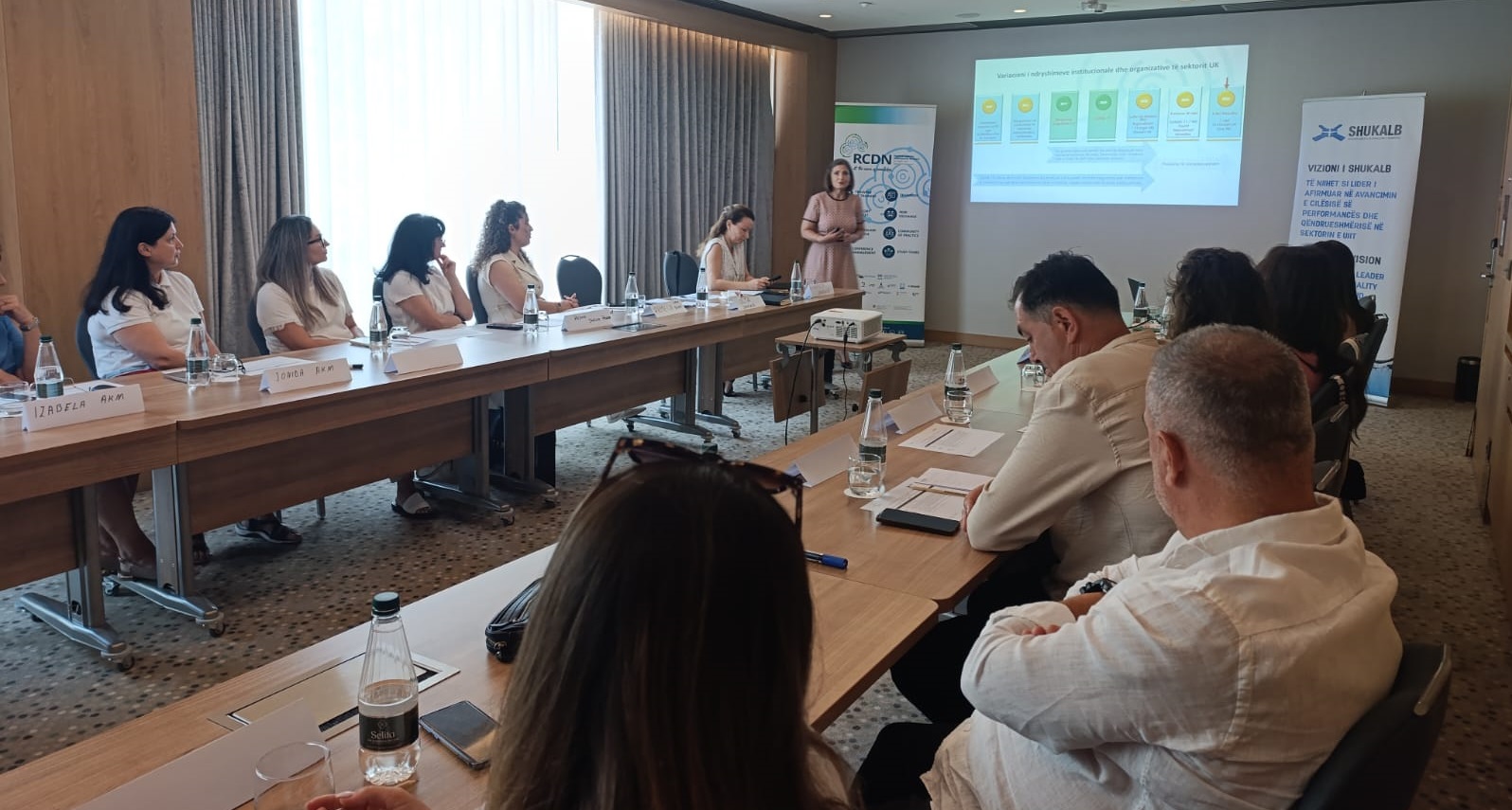
Photo Credit: SHUKALB
On July 18, 2025, SHUKALB, under the framework of the RCDN+ Program, hosted an advocacy meeting at the Hilton Garden Inn in Tirana to present and consult on the draft Position Paper for the Wastewater Sector in Albania. The meeting gathered representatives from the Ministry of Infrastructure and Energy, Ministry of Tourism and Environment, Agency for Water Resources Management, National Agency for Water Supply and Sewerage, National Environmental Agency, Institute of Public Health, National Association of Municipalities of Albania, and water utility companies of Tirana, Korça, Pogradec, and Berat. Participants addressed the pressing challenges such as aging infrastructure, uneven service coverage, limited financial resources, and a shortage of trained professionals.
Moderated by Prof. Enkelejda Gjinali from the Polytechnic University of Tirana, the discussions highlighted the urgent need to align the sector with EU environmental standards and the UN Sustainable Development Goals. Participants explored ways to operate certification programs for sector staff, update technical design guidelines, and address bottlenecks in sewerage networks, particularly in rural and peri-urban areas.
The draft Position Paper outlined a roadmap built on three pillars: increased financial investment, stronger institutional coordination, and targeted capacity building. Stakeholders provided practical recommendations to ensure the document reflected on-the-ground realities, emphasizing that effective wastewater management is critical for both public health and environmental protection.
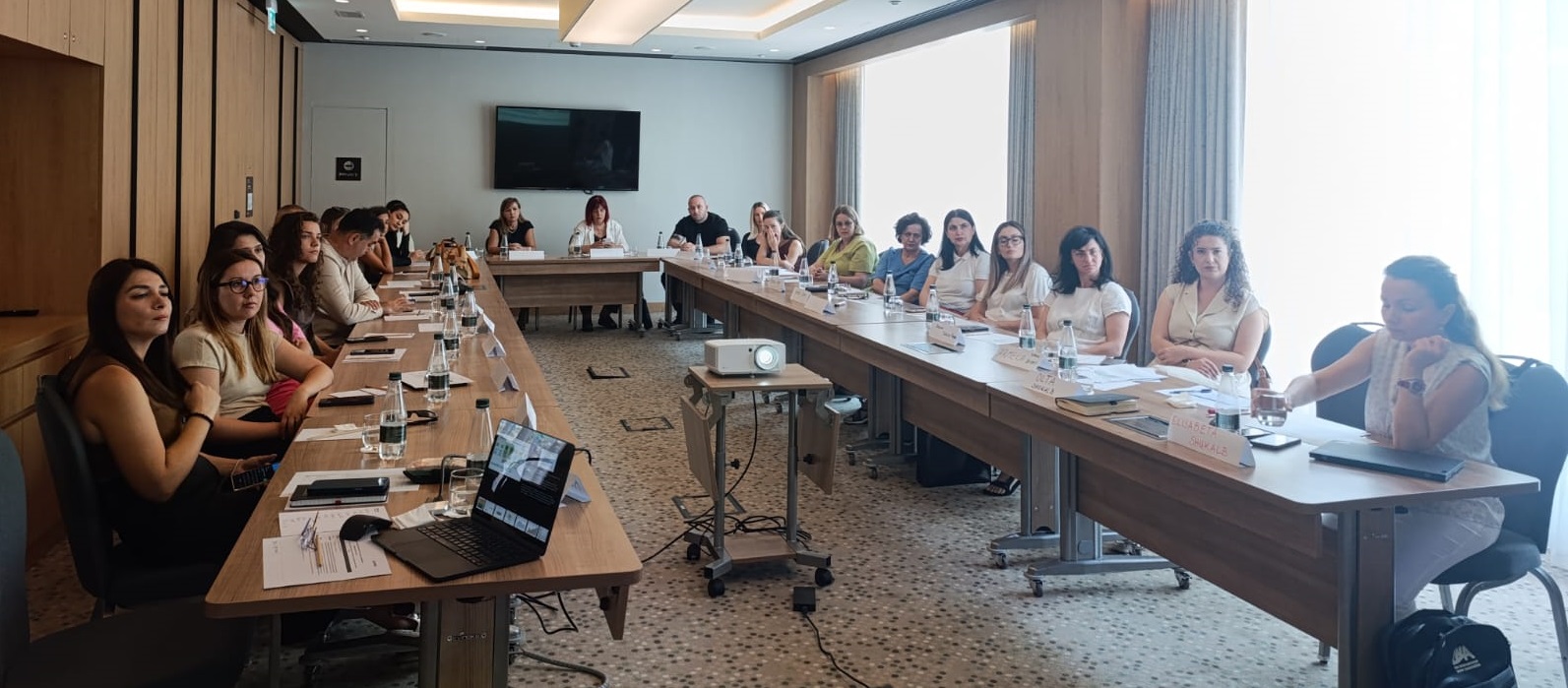
A Step Further: Finalizing the Vision
To build on this momentum, SHUKALB convened a follow-up meeting on July 30, 2025, bringing together 22 representatives from 15 institutions. This session focused on finalizing the Position Paper and deepening the discussion on human resource development—a core challenge to sustaining Albania’s wastewater systems.
Participants reiterated concerns over informal settlement discharges into uncontrolled open channels, the lack of wastewater infrastructure in urban development plans, and inconsistencies in technical standards caused by multiple translations. Special attention was given to the 2018 wastewater design guideline (VKM nr. 83), which stakeholders agreed should be updated and fully implemented.
Recommendations included mobilizing national and donor funding, strengthening structured training and test-based certification programs (Udhëzimi MIE nr. 660), developing retention strategies for technical staff, and establishing a robust monitoring system for utilities. The meeting also emphasized engaging young graduates through internships and research collaboration to build the sector’s future workforce.
Shared Commitment for the Future
With broad consensus reached, the Position Paper will be finalized and circulated for institutional validation. SHUKALB and its partners are committed to maintaining this collaborative momentum, ensuring that wastewater management remains a national development priority.
Through these two advocacy meetings, SHUKALB demonstrated its role as a unifying platform for stakeholders—combining policy advocacy, investment promotion, and capacity building to advance sustainable, high-quality wastewater services across Albania.
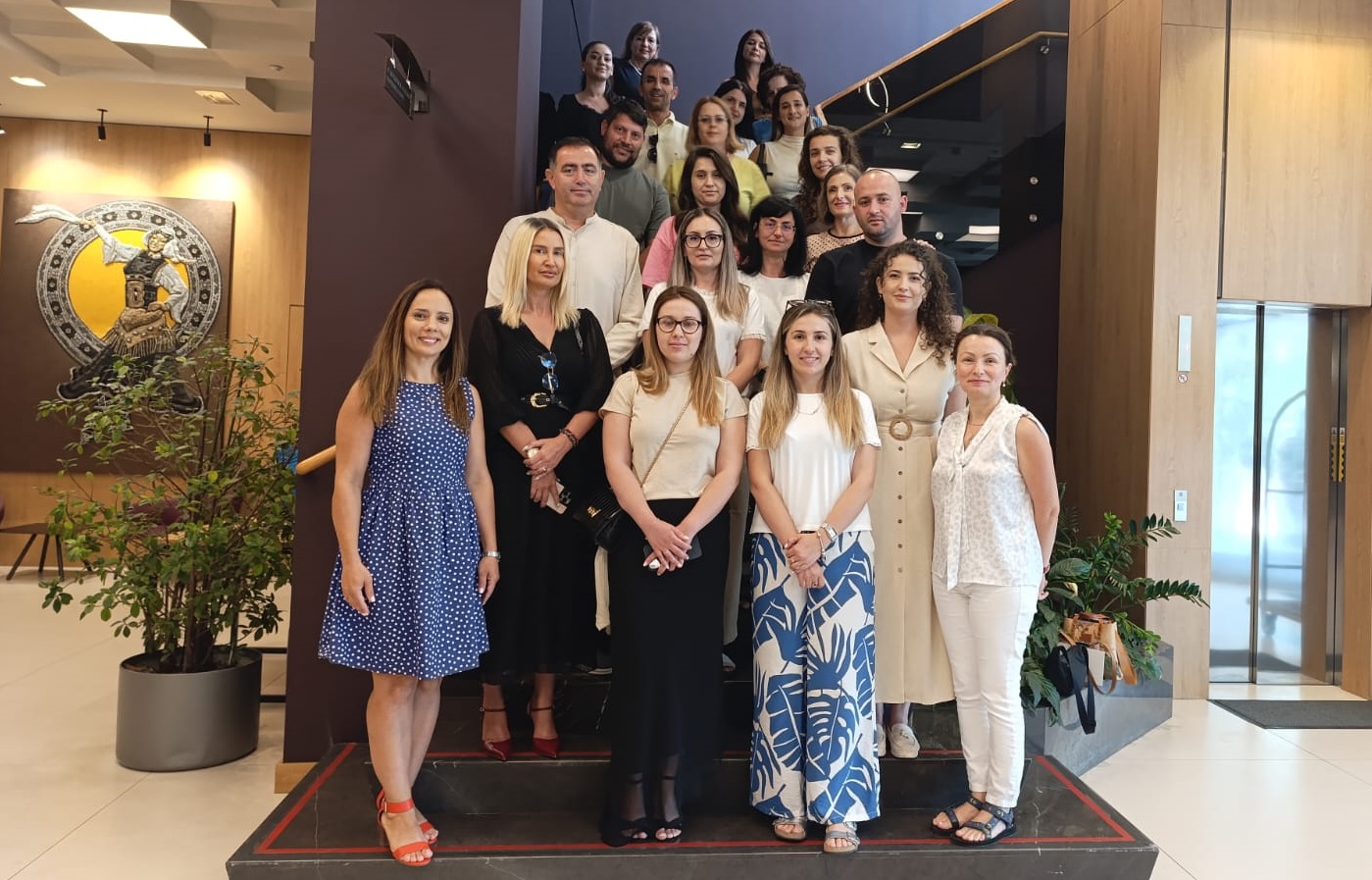
Photo Credit: SHUKALB