


- Street “Pjeter Bogdani”
- N. 13, H. 10, Ap. 15 Tirana, Albania
- Send Mail
- info@shukalb.al
- Make Call
- Tel: (+355/4) 2245 101

SHUKALB Finalizes the Delivery of the fourth cycle D-LeaP Water Safety and Crisis Management Program
SHUKALB Finalizes the Delivery of the fourth cycle D-LeaP Water Safety and Crisis Management Program

Photo Credit: SHUKALB
SHUKALB has successfully completed the delivery of the fourth cycle of D-LeaP Water Safety and Crisis Management program, delivered during November–December 2025. The delivery of this program was made possible through the valuable support of the Danube Learning Partnership (D-LeaP).
The overall objective of the program is to enable water utilities to identify harmful operational risks, to plan and prepare, to respond rapidly to incidents, and to recover effectively in situations of crises or disasters.

Photo Credit: SHUKALB
The program was attended by representatives from the Regional Water Supply and Sewerage Companies of Lezha, Saranda, and Korça. Under the guidance of trainers Elton Hasanaj and Olta Alla, participants worked on structuring and analyzing their water supply systems. The first phase focused on developing system flow-charts and the organizational charts for both the Water Safety Plan and the Crisis Management Plan, followed by the identification of key operational risks.
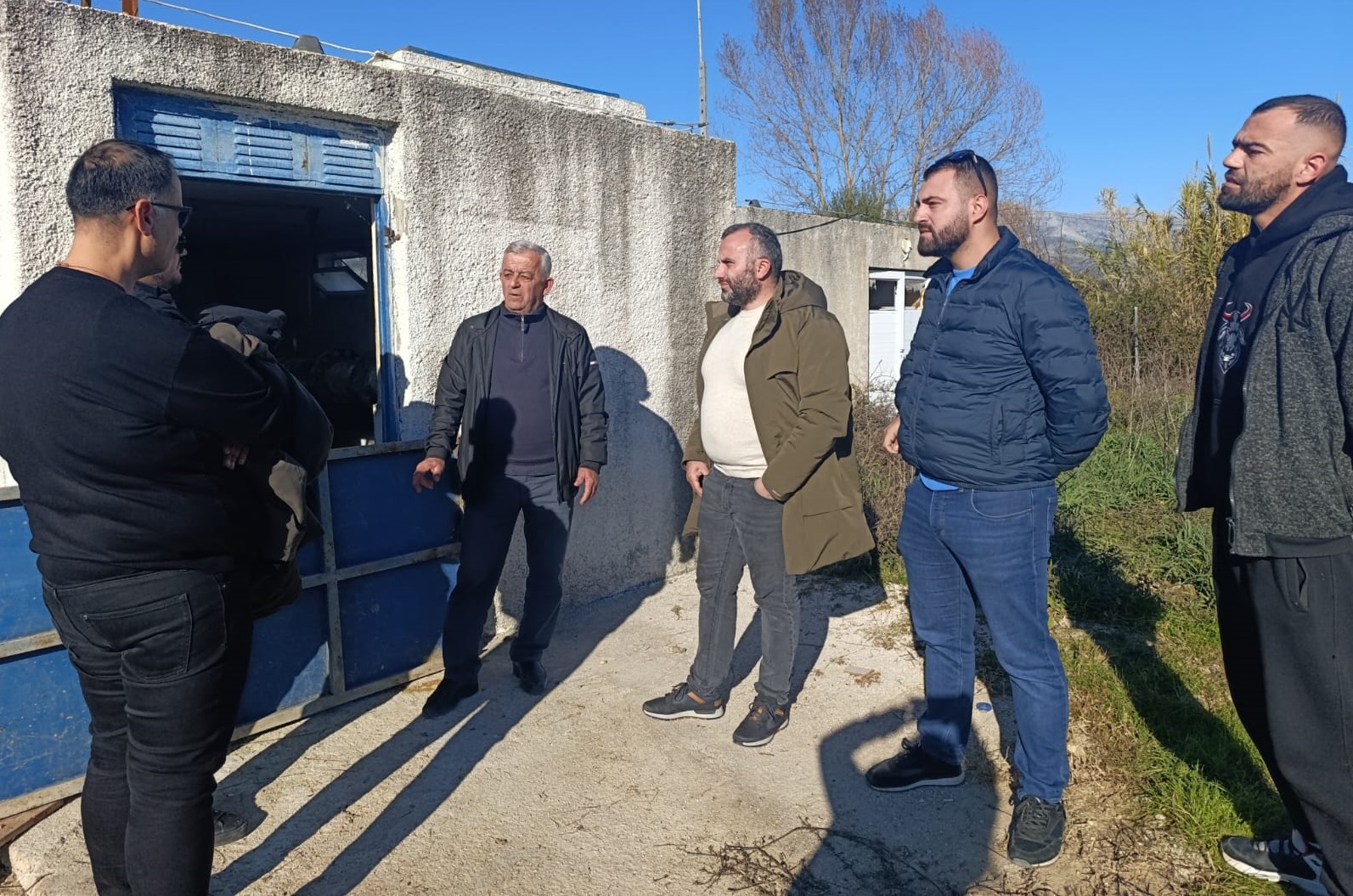
Photo Credit: SHUKALB
Participants then tested institutional roles through simulation exercises, learning how to assess situations and make decisions under pressure. After the classroom training, field visits were conducted in each participating utility, where risk analyses were verified directly at the system’s critical points.
The final stage of the program brought forward the presentation of draft Water Safety Plans, Google Earth system schematics, and Crisis Management organizational charts. Through a simulated flooding scenario, participants were trained in the role of the Crisis Manager and the use of a structured 60-minute decision-making framework.
The participating utilities have now entered the administrative approval phase of the documents, aiming to convert these draft plans into Standard Operating Procedures. In this way, the training does not remain theoretical but becomes a practical instrument for ensuring water supply safety and strengthening sector resilience.
This process represents an important investment in the professional development of water utilities and in protecting the communities that depend on them. SHUKALB extends its appreciation to all participants, trainers, and partners for their engagement and cooperation.
